Poor quality sleep? Always tired?
You may be suffering from Sleep Apnoea
What is Sleep Apnoea?
Learn about the 3 main types of Sleep Apnoea
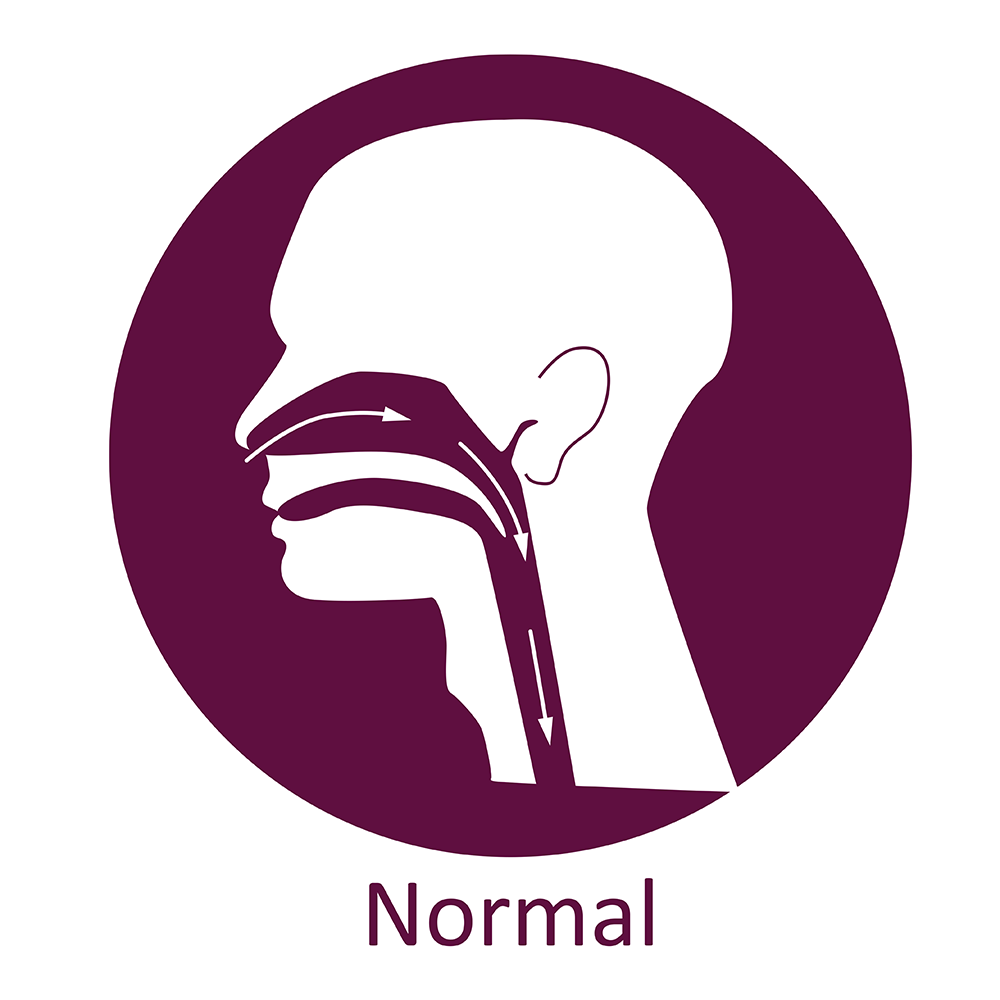
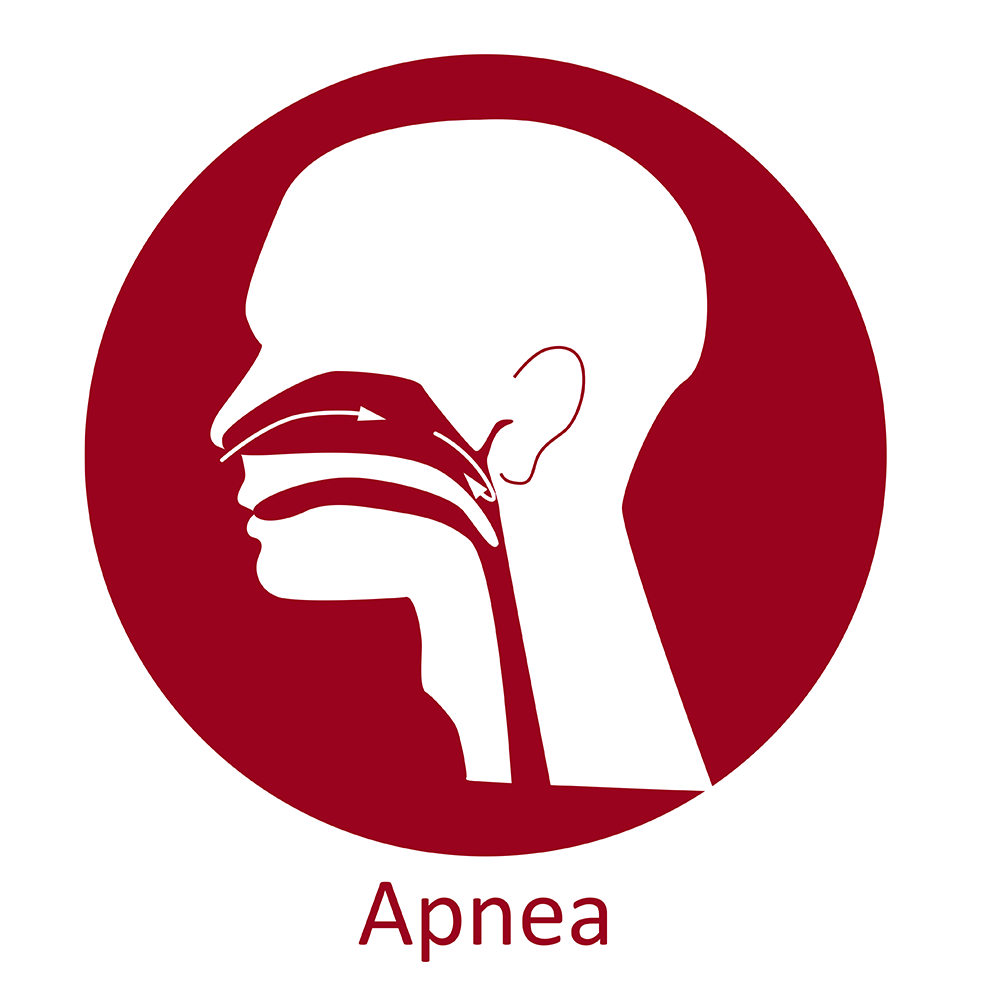
If breathing stops and starts, with multiple long pauses in breath whilst asleep you may have what is called sleep apnoea. People with sleep apnoea will often snore loudly and feel very tired the next day even after a full night’s sleep. It is important to point out that sleep apnoea snoring is very different to regular snoring which can be caused by nose or throat conditions, being overweight or sleeping style such as lying on the back. Sleep apnoea snoring is much much louder accompanied by restlessness, gasping and a pause in breath lasting often over ten seconds! These lapses, which can happen several times a night affect the levels of oxygen supply within the body and therefore impacts on the quality of sleep thus in turn leads to potentially serious health complications.
There are three main types of sleep apnoea:
- Obstructive sleep apnoea (OSA) – the most common type, occurring when throat muscles collapse at the back of the throat causing the airways to become partially or sometimes completely blocked with the resultant lapse in breath. People with OSA have their sleep constantly disrupted by snoring and obstructed breathing and will often feel extremely tired during the day, sometimes even fall asleep whilst at work or driving.
- Central sleep apnoea (CSA) – the airway isn’t blocked with this type, instead it is the brain failing to tell the muscles how to breathe which results in both slow and shallow breathing. Put simply, the connection between the brain and breathing muscles is faulty.
- Mixed sleep apnoea – this is sometimes referred to as complex sleep apnoea as it involves a combination of both obstructive and central sleep apnoea for the sufferer at the same time. Mixed sleep apnoea episodes tend to begin as obstructive sleep apnoeas and are treated as such.
Sleep Apnoea Resources
Do I Have Sleep Apnoea?
Sleep apnoea can affect anyone. Learn about the common symptoms of sleep apnoea, along with the risk factors which increase the likelihood of developing sleep apnoea.
Test For Sleep Apnoea
Learn how to find out if you have sleep apnoea, including how sleep apnoea is diagnosed by the medical profession using techniques such as polysomnography.
Sleep Apnoea Treatments
Sleep Apnoea is treatable using a variety of different methods. These can range from lifestyle changes such as weight loss and stopping smoking, to CPAP devices.
Driving With Sleep Apnoea
Driving whilst tired is problematic because it can dramatically affect concentration levels and reaction times. The DVLA guidelines on sleep apnoea can be found here.
Sleep Apnoea FAQs
A summary of the most frequently asked questions regarding sleep apnoea from diagnosis through to treatment.
Support Organisations
There are a number of organisations that provide further help and information on sleep apnoea, and they can be found here.